On 20 October 2026, Spain’s Council of Ministers approved the designation of Trafalgar Lighthouse as an Asset of Cultural Interest (BIC), completing a process begun by the Ministry of Culture in June 2025.
The designation recognises the lighthouse’s historical, architectural and technological significance and helps preserve a landmark closely tied to the identity of Los Caños de Meca and its natural surroundings.
Lighting the Cádiz coast for more than 160 years
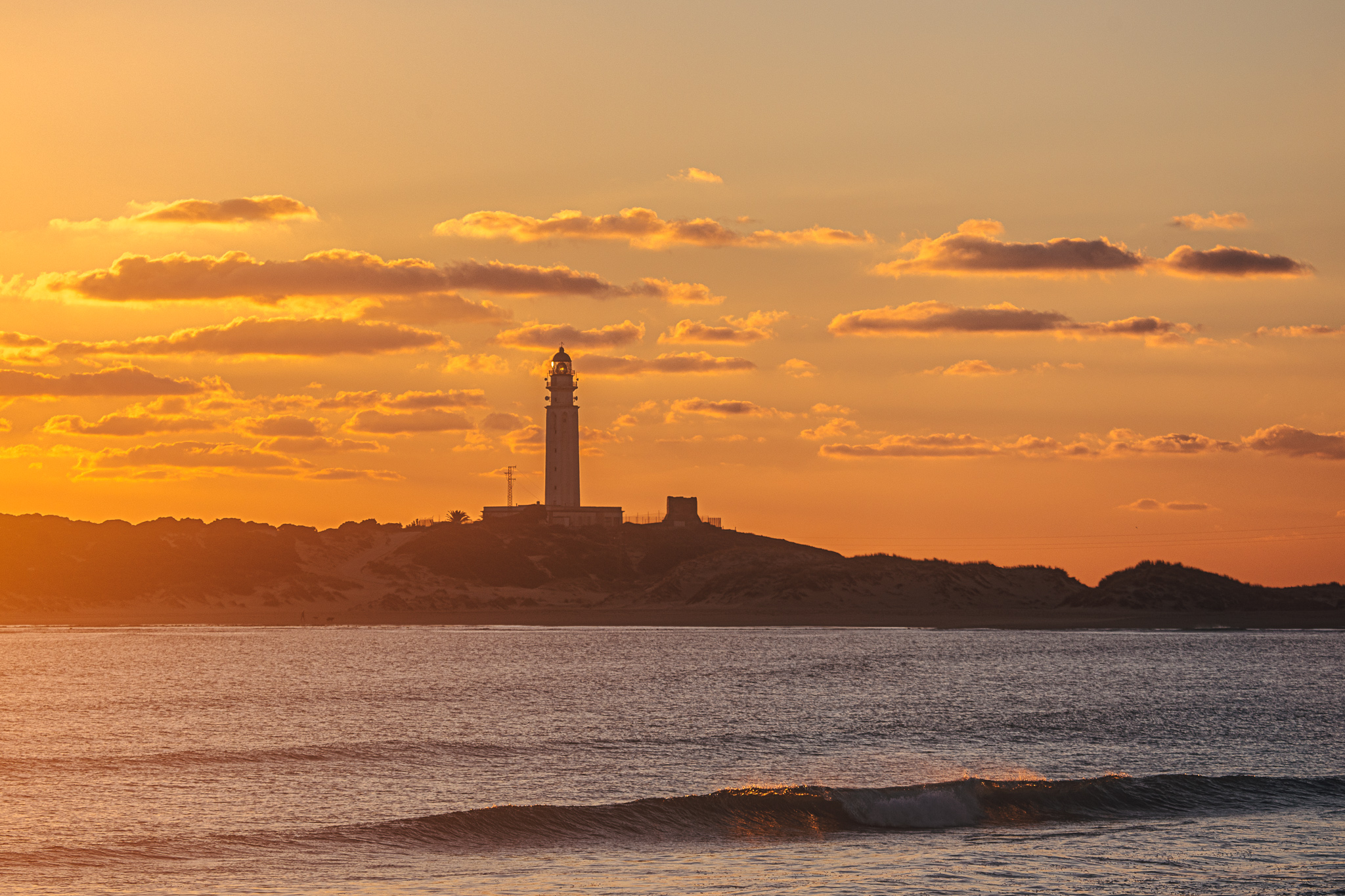
Standing on the Trafalgar tombolo, within La Breña and Barbate Marshes Natural Park, the lighthouse is one of the most distinctive examples of Andalusia’s maritime heritage.
Designed by engineer Eduardo Saavedra Moragas, the lighthouse was first lit on 15 July 1862. Its 35.20-metre tower has guided ships along this stretch of the Atlantic coast ever since. Its proximity to the Strait of Gibraltar makes it a particularly important navigational landmark.
Over the years, the lighthouse has been upgraded to meet changing navigational needs. It retains its original structure and continues to serve as a navigational aid.
The designation recognises both roles. Trafalgar Lighthouse is a historic monument and a working lighthouse that continues to play an essential part in keeping ships safe at sea.
Cape Trafalgar – history and nature on the Atlantic coast
The lighthouse overlooks the waters where the Battle of Trafalgar took place on 21 October 1805, one of the most significant naval battles in European history.
The cape’s beaches, dunes, reefs and sea currents make up a coastal landscape of exceptional natural value. For centuries, the Atlantic has shaped the lives of seafarers and the people who live here.
Today, Cape Trafalgar is one of the best-known spots on the Cádiz coast, loved for its sweeping views, natural surroundings and spectacular sunsets.
Walking along the beaches, taking in the view of the lighthouse from the shore and exploring the trails of nearby La Breña Natural Park are all part of what makes Los Caños de Meca worth visiting year-round.
Visiting Trafalgar Lighthouse from Los Caños de Meca
Trafalgar Lighthouse is one of the highlights of a visit to Los Caños de Meca and a wonderful place to take in the natural beauty of the Cádiz coast.
Take a walk along Trafalgar Beach, discover the area’s small coves or watch the sun go down over the Atlantic. Outside the peak season, the quieter beaches and trails give you a chance to see a different side of this stretch of coast.
If you’re looking for somewhere to stay in Los Caños de Meca, Hotel Madreselva, part of Grupo Califa, is well placed for exploring Cape Trafalgar and the surrounding natural areas.
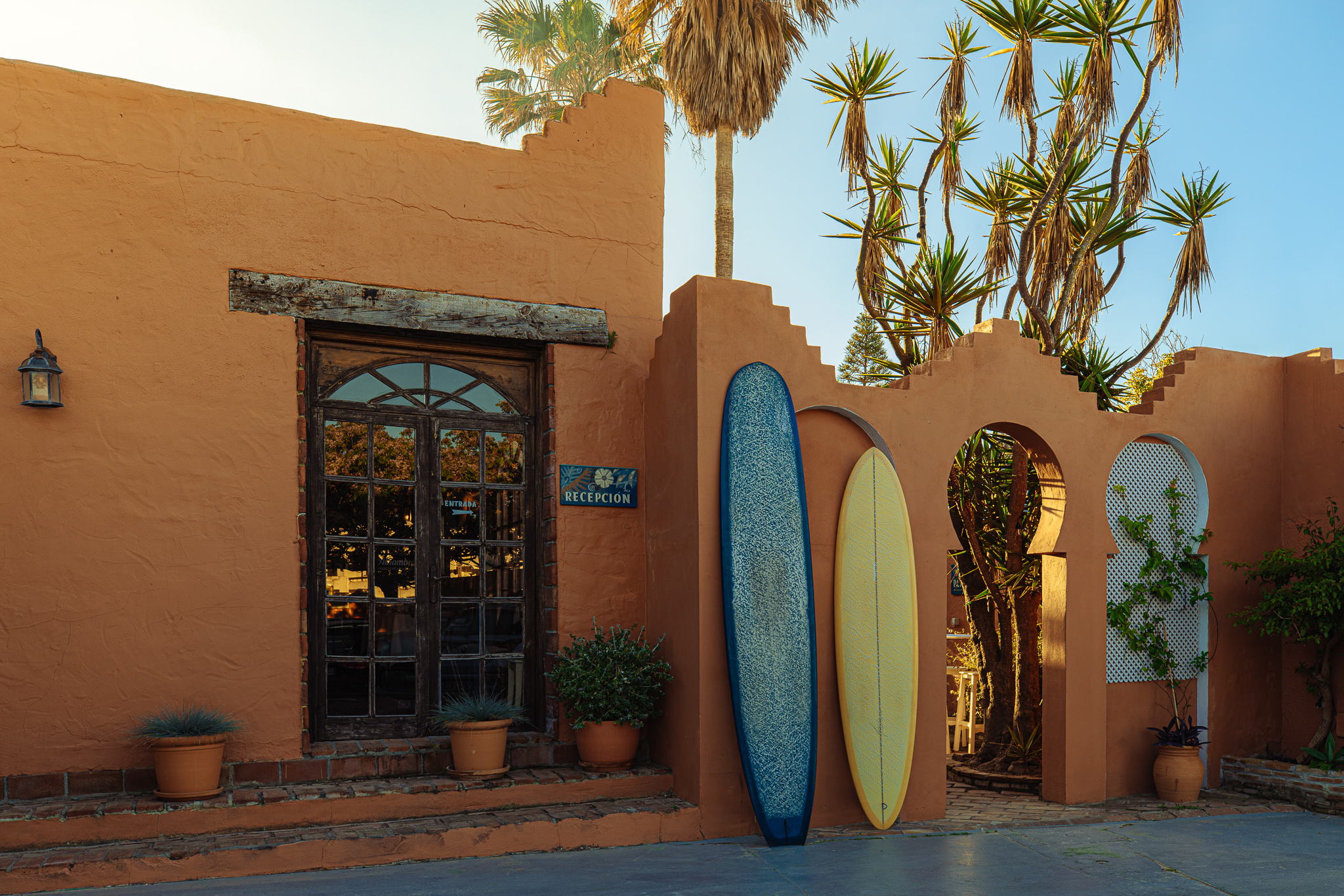
Just 50 metres from the beach and surrounded by greenery, the hotel has rooms with private terraces, a swimming pool, a courtyard filled with tropical plants and private parking. Its restaurant, El Jardín de Madreselva, serves dishes inspired by the flavours of Morocco and the Middle East.
Open year-round, Hotel Madreselva is also a base for an autumn or winter break, with time to explore the trails of La Breña or take a leisurely walk along the beaches of Los Caños de Meca.
A landmark worth preserving
The designation of Trafalgar Lighthouse as an Asset of Cultural Interest is an important step in protecting the historical and maritime heritage of the province of Cádiz.
It will help preserve the lighthouse’s architectural, historical and technical features while allowing it to continue serving as a navigational aid.
For the people of La Janda and those who return to Los Caños de Meca year after year, the lighthouse is an unmistakable part of the landscape, a familiar point of reference and a symbol of the area’s close ties to the ocean.
The new designation protects a landmark that has lit our coast for more than 160 years and will remain part of its story for generations to come.